Category: FAQs

  • Why you need a Full Mouth Restoration

    Why you need a Full Mouth Restoration

    Chewing Function and Speech Articulation
    The loss of multiple teeth, excessive wear, or fractures can impair the ability to chew and speak properly. A full-mouth restoration reestablishes your bite, improves pronunciation, and prevents overloading the remaining teeth.

    Oral and Overall Health
    Treating advanced gum disease, severe cavities, or bone loss helps prevent systemic complications (such as heart problems) and promotes healthy bone, as implants stimulate the jawbone.

    Pain and Dysfunction Relief
    Bruxism, a bad bite, or TMJ disorders can cause headaches, jaw pain, and neck tension. A full-mouth restoration can correct the bite and relieve these symptoms.

    Aesthetics and Self-Esteem
    Damaged, stained, broken, or missing teeth affect your personal image. A full-mouth restoration creates a uniform, natural, and aesthetic smile, boosting confidence and emotional well-being.

    Comprehensive and Long-Term Solution
    A full-mouth restoration addresses all dental issues in a coordinated way — including implants, crowns, bridges, orthodontics, and periodontics — avoiding multiple isolated treatments, which is often more cost-effective and longer-lasting.

    When is a Full-Mouth Restoration Recommended?

    • Loss of multiple teeth or a full dental arch: especially when few functional teeth remain.
    • Excessive wear or fractures: flattened or chipped teeth due to bruxism or acid erosion.
    • Advanced periodontal disease: with tooth mobility, deep pockets, or bone loss.
    • Poor bite or TMJ dysfunction: jaw tension, neck strain, or recurring headaches.
    • Severe aesthetic problems: discoloration, misalignment, or irregular tooth shape.

    Main Reasons Why People Need Full-Mouth Restoration

    Genetic

    Why Do I Need a Full-Mouth Restoration if I Have Hereditary Dental Problems?

    Dental health isn’t just about brushing and flossing. In many cases, genetics play a significant role in the development of severe dental issues from an early age. If your family has a history of tooth loss, receding gums, accelerated wear, weak enamel, dental malformations, or advanced periodontal disease, there’s a high chance you may face the same challenges—regardless of how well you take care of your teeth.

    A full-mouth restoration doesn’t just replace missing teeth—it restores the function, health, and aesthetics of your entire smile. This advanced treatment addresses the root causes of hereditary dental conditions and offers a permanent, functional, and natural-looking solution.

    How Does Genetics Affect My Oral Health?

    • Inherited weak enamel or premature tooth wear
    • Higher risk of deep cavities or chronic infections
    • Misalignment of teeth or abnormal jawbone structure
    • Aggressive gum disease that doesn’t respond to standard treatments
    • Early tooth loss without external causes 

    What Does a Full-Mouth Restoration Accomplish?

    • Replaces damaged or missing teeth with highly durable titanium implants
    • Restores bite function, speech, and facial aesthetics
    • Stops the progression of hereditary dental diseases with a comprehensive approach
    • Reinforces the jawbone through the stimulation provided by implants
    • Restores your confidence when smiling, speaking, and eating 

    It’s Not Your Fault. It’s Your Genetics. But You Can Do Something About It.

    Instead of continuing to invest in temporary fixes that don’t solve the underlying issue, a full-mouth restoration offers a definitive solution backed by advanced technology and medical-grade materials. If you’ve tried other treatments and the results don’t last, it may be time to consider a solution designed for people like you—with difficult genetic backgrounds.

    Don’t Inherit the Problem. Inherit the Solution.
    Book your consultation today and find out if you’re a candidate for full-mouth dental implants.

    Poor dentition or Bad dentition

    Poor Dentition – Definition

    Poor dentition refers to a condition where the teeth and/or surrounding oral structures are in a compromised state, leading to impaired function, aesthetics, or oral health. It can result from genetic factors, neglect, trauma, or systemic disease, and typically includes one or more of the following:

    • Missing teeth
    • Severely decayed or damaged teeth
    • Malocclusion (crooked or misaligned teeth)
    • Worn-down enamel due to grinding or acid erosion
    • Gum disease causing mobility or tooth loss
    • Congenital anomalies (e.g., peg laterals, underdeveloped jaws)

    Causes of Poor Dentition

    • Hereditary/genetic conditions
    • Poor oral hygiene habits
    • Chronic illness or medications
    • Trauma or accidents
    • Untreated dental infections
    • Substance abuse (e.g., methamphetamine use, excessive alcohol)

    Consequences of Poor Dentition

    • Difficulty chewing and speaking
    • Increased risk of infections
    • Jawbone deterioration due to tooth loss
    • Lower self-esteem and social discomfort
    • Headaches, TMJ disorders, and digestive issues

    Poor Dentition Due to Syndromes

    Poor dentition caused by genetic syndromes refers to dental development disorders that result from congenital or hereditary conditions. In these cases, dental problems are not caused by poor hygiene or neglect, but rather by an inherited predisposition that affects the number, shape, structure, or alignment of teeth from an early age.

    Common Manifestations

    • Congenitally missing teeth (tooth agenesis)
    • Malformed, undersized, or oversized teeth
    • Delayed or incomplete tooth eruption
    • Weak or defective enamel (enamel hypoplasia)
    • Misaligned bite or jaw structure abnormalities

    Syndromes Commonly Associated with Poor Dentition

    • Down syndrome
    • Ectodermal dysplasia
    • Cleft lip and palate
    • Ellis-van Creveld syndrome
    • Gorlin syndrome
    • Crouzon syndrome
    • Osteogenesis imperfecta

    Oral Health Consequences

    • Difficulty chewing or speaking
    • Increased risk of cavities and chronic infections
    • Facial and jaw underdevelopment
    • Significant aesthetic concerns
    • Emotional and psychological impact starting in childhood

    Why Early Treatment Matters

    Early diagnosis and treatment are essential to improving function, aesthetics, and quality of life. A multidisciplinary approach—including pediatric dentistry, orthodontics, oral surgery, and implantology—is often necessary to address the complex needs of patients with syndromic dentition issues.

    Why Do You Need a Full-Mouth Restoration After Failed Dental Treatments?

    If you’ve undergone multiple dental treatments—such as fillings, crowns, bridges, removable dentures, or failed implants—and the results haven’t been long-lasting, functional, or aesthetic, it may be time to reconsider your approach. Partial treatments may provide temporary relief, but they often fail to address the root cause, especially when bone loss, malocclusion, severe wear, or a complex history is involved.

    A full-mouth restoration offers a comprehensive and lasting solution. This advanced procedure doesn’t just replace damaged or missing teeth—it completely rebuilds your bite, facial structure, and overall oral health from the ground up

    Why Do Some Dental Treatments Fail?

    • Performed without a complete diagnosis or long-term planning
    • Use of low-quality materials or outdated techniques
    • Lack of proper integration with the jawbone (in the case of implants)
    • Underlying issues like bruxism, malocclusion, or gum disease left untreated
    • Isolated procedures that fail to consider the mouth’s overall function

    What Does a Full-Mouth Restoration Achieve in These Cases?

    • Replaces all damaged or missing teeth with highly durable titanium implants
    • Restores a balanced and functional bite, preventing premature wear
    • Stops bone loss through the stimulating effects of implants
    • Dramatically improves facial aesthetics and symmetry
    • Ends the cycle of repeated treatments with limited results

    Your Smile Deserves a Fresh Start

    Living with pain, discomfort, or insecurity when smiling is not normal. If you’ve tried multiple solutions without success, it’s not your fault—you simply weren’t offered the right treatment. A full-mouth restoration is designed for patients like you, seeking a real, functional, and lasting transformation.

    Schedule your consultation today and find out if you’re a candidate for a full-mouth dental implant restoration.

  • Why Titanium Dental Implants Are the Best Option

    Why Titanium Dental Implants Are the Best Option

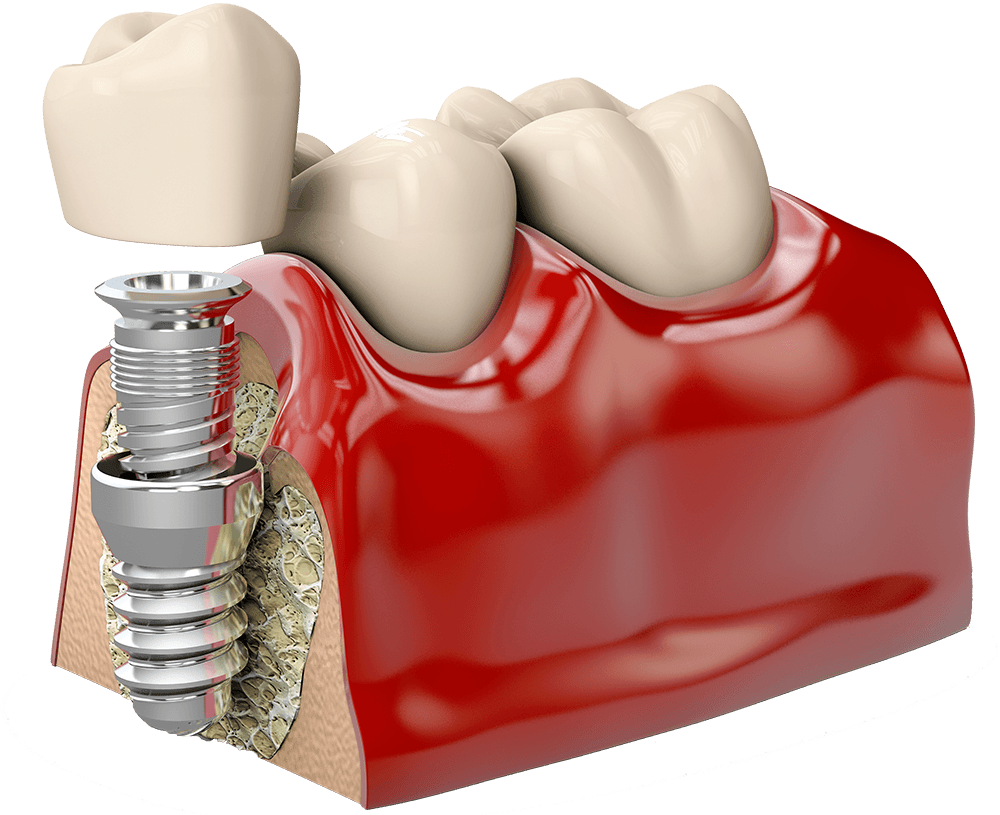
    Dental implants are widely regarded as one of the most effective long-term solutions for replacing missing teeth, and titanium is the primary reason why. Titanium implant posts have become the material of choice in modern implant dentistry. This is thanks to a unique combination of advantages – from being extremely biocompatible and bonding firmly with bone to offering exceptional strength and long-term success. Below are the key strengths that make titanium implants an ideal option for patients:

    Biocompatibility: Titanium is highly biocompatible, meaning it isn’t harmful to living tissue and is easily accepted by the body. This quality dramatically reduces the risk of any implant rejection or allergic reaction. The body readily welcomes a titanium implant, allowing it to heal comfortably and become a natural part of the jaw.

    Osseointegration (Bone Fusion): One of titanium’s most remarkable properties is its ability to osseointegrate, which means it actually fuses with your jawbone.Once a titanium implant is placed, the bone grows around it and bonds to it, forming an exceptionally stable foundation for a replacement tooth. This strong bone-to-implant bond allows the new tooth to function just like a natural tooth root, keeping your bite sturdy and secure.

    Strength and Durability: Despite its light weight, titanium is incredibly strong and corrosion-resistant. It easily withstands the everyday forces of chewing and biting without fracturing. Moreover, titanium doesn’t rust or degrade in the moist environment of the mouth, so the implant maintains its integrity over many years. Thanks to this durability, a titanium dental implant can remain healthy and functional for a very long time with proper care – often lasting decades as a reliable tooth replacement solution.

    Proven Long-Term Success: Titanium implants have a long, proven track record dating back to the 1960. Decades of research and patient outcomes show that these implants are overwhelmingly successful. In fact, studies consistently report success rates above 95% for titanium implants over many years of use. With good oral hygiene and regular check-ups, a titanium implant is typically expected to serve a patient well for 30 years or more. This exceptional success rate and longevity give patients confidence that their investment in a titanium implant will pay off with a lasting, healthy smile.

    Titanium dental implants offer a combination of safety, strength, and sustained success that is hard to beat. They are friendly to the body, become firmly anchored in bone, and stand up to years of wear – all of which explains why titanium implants continue to be the gold standard for restoring missing teeth Patients can trust in titanium implants for a comfortable, long-term solution that looks and feels very much like a natural tooth.

    Why Are Dental Implants So Affordable in Mexico?

    Many people are surprised to learn that dental implants in Mexico cost significantly less than in the United States or Canada. This price difference often raises concerns about quality—but rest assured, affordability does not mean lower standards.

    The lower cost is simply the result of a different healthcare and education system. In Mexico, dentists don’t carry the overwhelming student debt or the high operational costs that U.S. practitioners face. In addition, materials, technology, and labor costs are far more affordable.

    Thanks to this, clinics like Dr. José Moguel’s — with over 35 years of experience and U.S.-based training — can provide world-class dental implant treatments at a fraction of the U.S. price.

    Does Insurance Cover Dental Implants?

    In most cases, it doesn’t. U.S. insurance companies typically classify dental implants as a cosmetic procedure and exclude them from coverage.

    Fortunately, the affordability of dental implants in Mexico makes treatment accessible even without insurance. We also offer financing options and all-inclusive treatment packages to make your experience as convenient as possible.

    Same-Day Dental Implants in Mexico

    Did you know you can walk out with a new smile in just one visit?

    While the traditional implant process in the U.S. can take 6 to 12 months, our clinic performs immediate-load implant procedures for eligible patients — without compromising quality or safety.

    If you need only one or two implants and have a healthy jawbone, you may qualify for same-day dental implants. These procedures use a titanium implant and a temporary crown, giving you instant aesthetic and functional results.

    Want to know if you qualify for same-day implants or how much your treatment will cost?

  • Why More and More People Are Choosing Dental Implants in Mexico

    Why More and More People Are Choosing Dental Implants in Mexico

    If you’re considering dental implants but are concerned about the high costs in the United States or Canada, you’re not alone. Every year, thousands of patients travel to receive dental implants in Mexico, taking advantage of advanced technology, highly trained dentists, and affordable prices.

    Why Mexico?

    Mexico has become a global leader in full mouth restorations and advanced implant treatments. From same day dental implants in Mexico to complete mouth reconstructions, patients today receive top-tier dental care without compromising safety or quality.

    Whether you’re looking for full dental implants in Mexico, All On 4, All On 6, or the innovative 3 On 8, and 3 On 6, you’ll find the best in results, care, and cost. Clinics near the Mexico–U.S. border, especially in places like Los Algodones, are equipped with cutting-edge technology and internationally trained specialists.

    In recent years, dental tourism in Mexico has become an increasingly popular alternative for patients from the United States, Canada, and Europe. Why? Because it offers the perfect combination of high-quality care, affordable prices, and personalized service—something that’s often hard to find in most clinics across the U.S.

    What is Dental Tourism?

    Dental tourism involves traveling to another country—in this case, Mexico—to receive dental treatment at a lower cost, without sacrificing quality or safety. Mexico has become a leader in this field, attracting over one million patients each year.

    Save Up to 70% on Complex Dental Treatments

    Prices in the United States for procedures like dental implants, All-On-4, veneers, or a full mouth restoration can easily exceed $30,000 to $50,000 USD. In Mexico, the same treatments performed by skilled specialists cost only a fraction of that amount.

    TreatmentCost in the U.S.Cost in Mexico
    All-On-4$25,000 – $40,000 USD$8,000 – $17,000 USD
    Single Dental Implant$3,500 – $5,000 USD$850 – $1,500 USD
    Cosmetic Veneers (per tooth)$1,200 – $2,500 USD$300 – $500 USD

    Internationally Trained Dentists

    Many dentists in Mexico, such as Dr. Jose Moguel, have been trained in the U.S., Europe, or prestigious Latin American universities, and hold international certifications. These specialists often perform more procedures per year than the average dentist in the U.S., thanks to the high volume of international patients they treat.

    Clinics with State-of-the-Art Technology

    The best clinics in Mexico use cutting-edge equipment, including:

    • 3D intraoral scanners 
    • In-house labs for same-day prosthetics 
    • Computer-guided surgeries 
    • Digital Smile Design (DSD) 

    This advanced technology ensures highly precise results, even in complex treatments such as same-day implants, All-On-6, or full mouth restorations.

    All-Inclusive Treatments: Guaranteed Comfort

    Dental tourism in Mexico is not only affordable, but also convenient. Many clinics offer all-inclusive packages that include:

    • Transportation from the airport (Yuma, San Diego, Tijuana, Cancun) 
    • Accommodation in partner hotels or recovery homes 
    • Complete treatment within just a few days 
    • Balanced meals and post-operative care 

    This way, the only thing patients need to focus on is relaxing—and smiling.

     Strategic Locations for Every Preference

    Mexico offers multiple destinations where you can combine dental treatment with an enjoyable travel experience:

    • Los Algodones: Just minutes from the Arizona border, known as “Molar City” 
    • Tijuana: Ideal for those flying into San Diego 
    • Cancun and Playa del Carmen: Perfect for beach tourism and relaxation 
    • Mexicali and Progreso: Other affordable and reliable options 

     Real Results and Verified Reviews

    Thousands of patients share their stories about how dental tourism in Mexico changed their lives—not just because of the savings, but also because of the compassionate care, personalized attention, and the outstanding quality of the results.

    Why Choose Mexico Instead of the U.S.?

    AspectMexicoUnited States
    CostLowHigh
    Access to specialistsEasy and fastLong waiting lists
    Treatment timeAround 1 weekMonths with multiple visits
    Personalized careHighLimited
    Accommodation and transfersIncluded in many packagesNot included
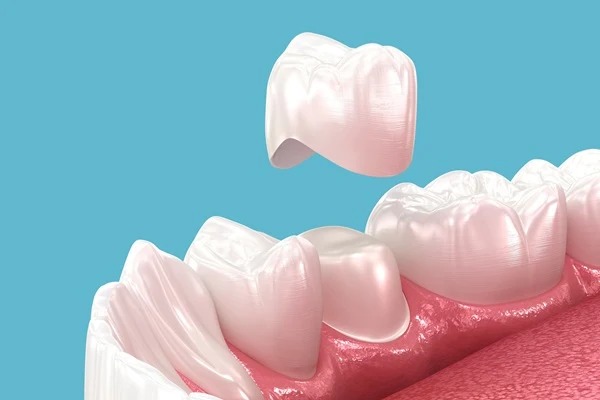
  • Why Choose Zirconia Crowns for Your Dental Treatment?

    Why Choose Zirconia Crowns for Your Dental Treatment?

    Zirconia crowns have become the top choice in modern dentistry due to their strength, aesthetics, and biocompatibility. Here’s why they’re considered one of the best options for restoring and protecting your smile:

    Exceptional Strength and Durability

    Zirconia is an incredibly strong ceramic material—much stronger than traditional porcelain or ceramic crowns. It can withstand the daily pressure of chewing and biting, making it ideal for long-term restorations that can last for decades without cracking or wearing down.

    Natural-Looking Aesthetics

    Zirconia crowns closely mimic the translucency of natural teeth, offering a lifelike appearance that blends seamlessly with your smile. They’re especially ideal for visible areas like the front teeth.

    Superior Biocompatibility

    Zirconia is 100% biocompatible, meaning it won’t cause allergic reactions or gum irritation. It’s the perfect option for patients with metal sensitivities or those seeking a completely metal-free restoration.

    No Corrosion or Staining:

    Unlike metal-based crowns, zirconia doesn’t corrode or discolor over time. Its smooth, non-porous surface also resists plaque buildup, promoting better gum health and easier cleaning.

    Precision Fit with Advanced Technology

    Zirconia crowns are typically designed using advanced CAD/CAM technology, ensuring a perfect fit, optimal bite alignment, and high comfort right from the start.

    Versatile for All Types of Restorations

    Whether you need a single crown, a bridge, or a full implant-supported restoration, zirconia adapts beautifully to any clinical need without sacrificing strength or appearance.

    Choosing Zirconium Crowns

    Choosing zirconia crowns means investing in a strong, natural-looking, and long-lasting solution. It’s the best option for patients who want metal-free restorations with unmatched durability, aesthetics, and comfort.

    Ready to enhance your smile with high-quality Swiss zirconia crowns? Book your consultation today